
Grocery Store Interior Design
What Is Grocery Store Interior Design?
Grocery store interior design is the strategic use of space, materials, lighting, and visual merchandising to shape how customers experience a store, from the moment they walk in to the moment they check out.
At The Broden Design Group, interior design isn’t treated as a finishing touch, it’s a core part of how a store performs. Every decision, from lighting to fixture finishes, plays a role in how customers move, what they notice, and how much they ultimately spend.
Because in grocery retail, perception becomes reality. If a store feels fresh, organized, and easy to shop, customers naturally spend more time, and more money inside it.
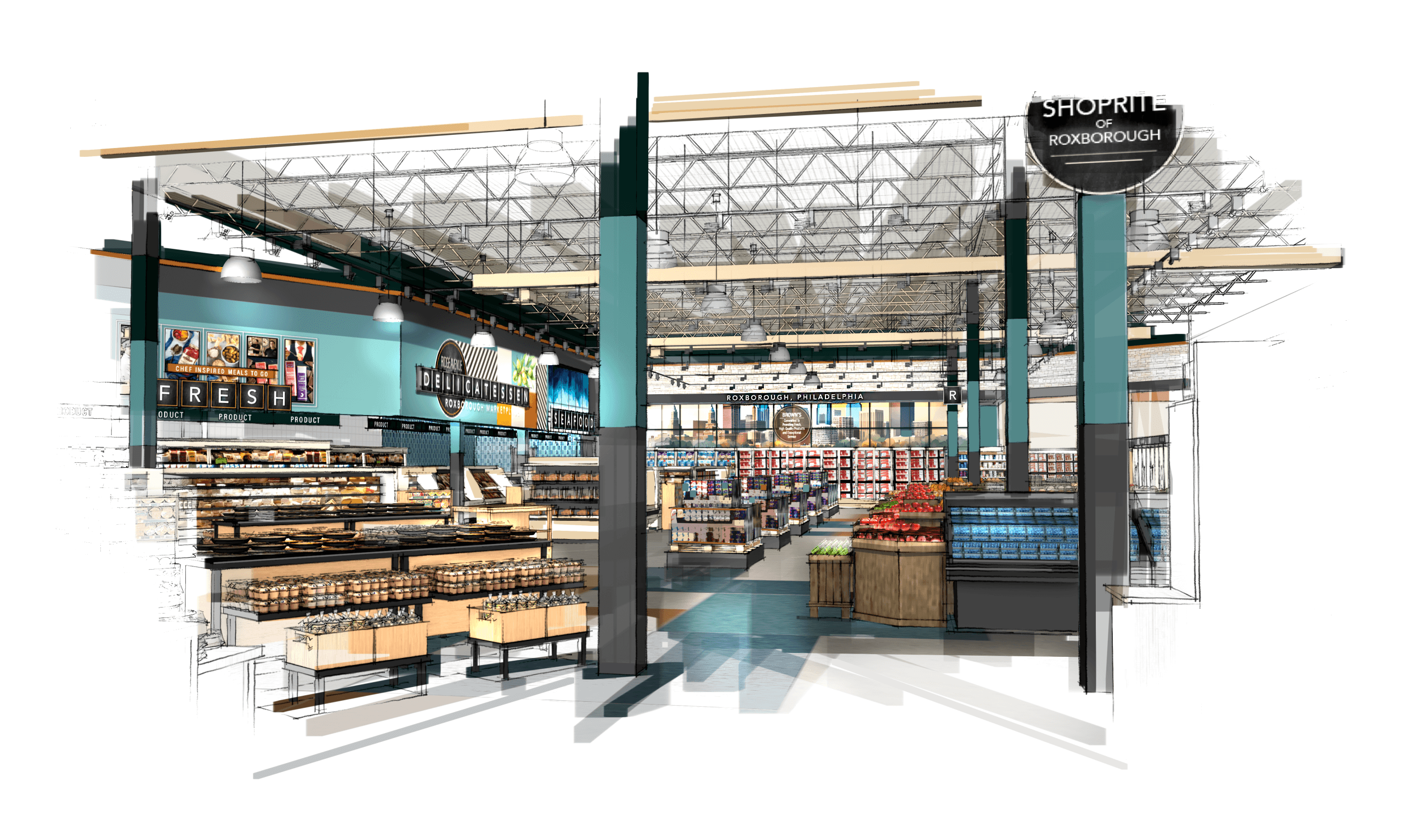
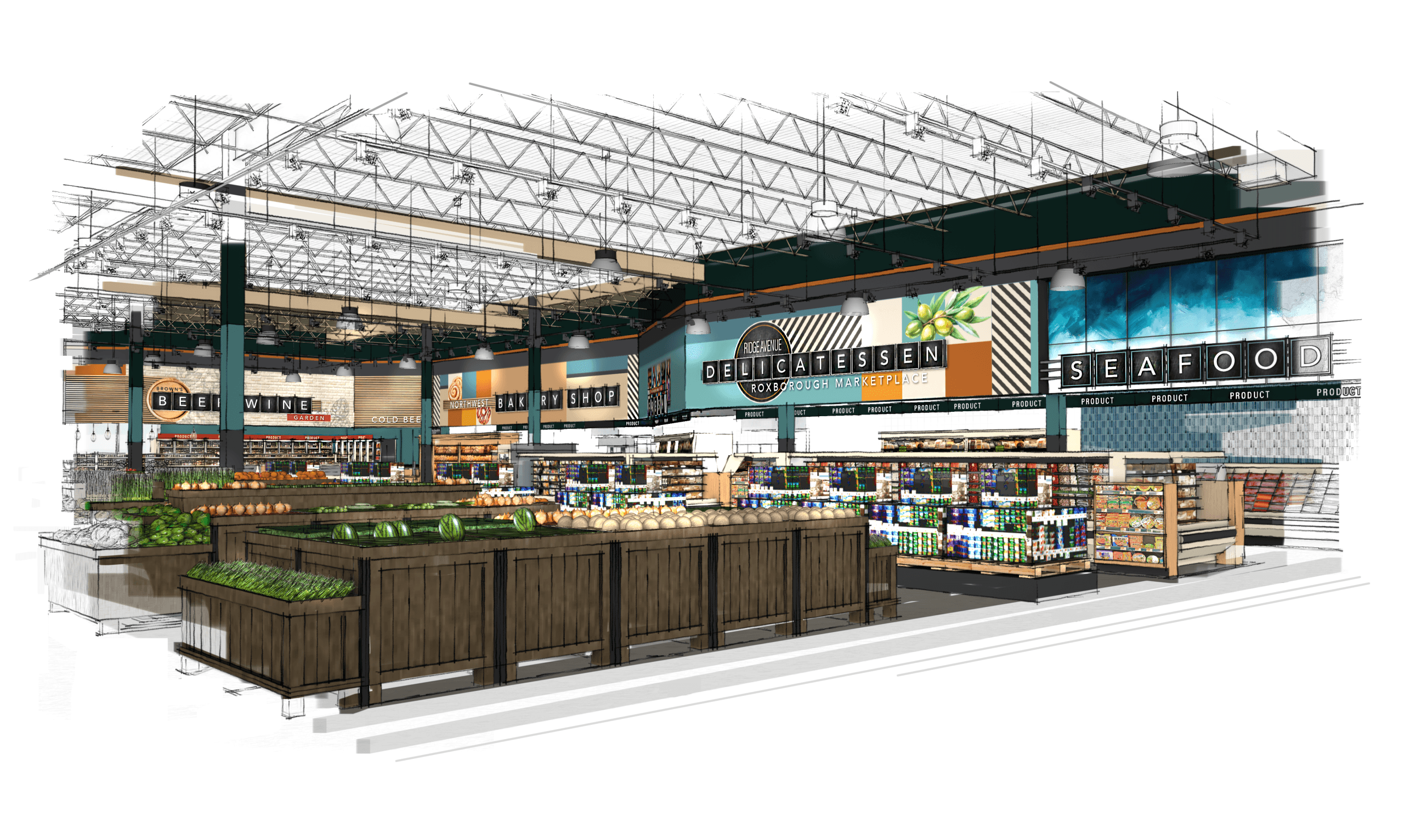
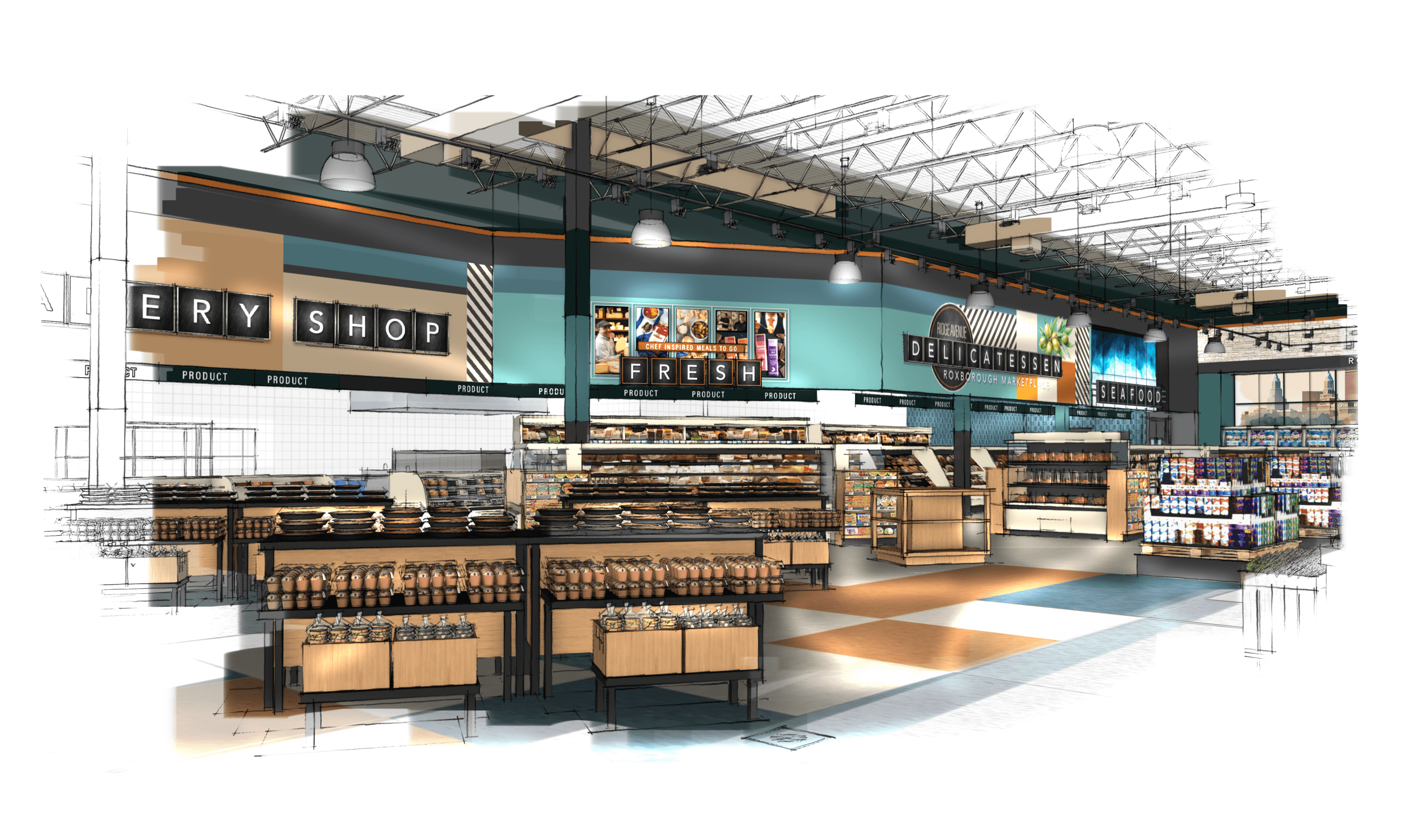
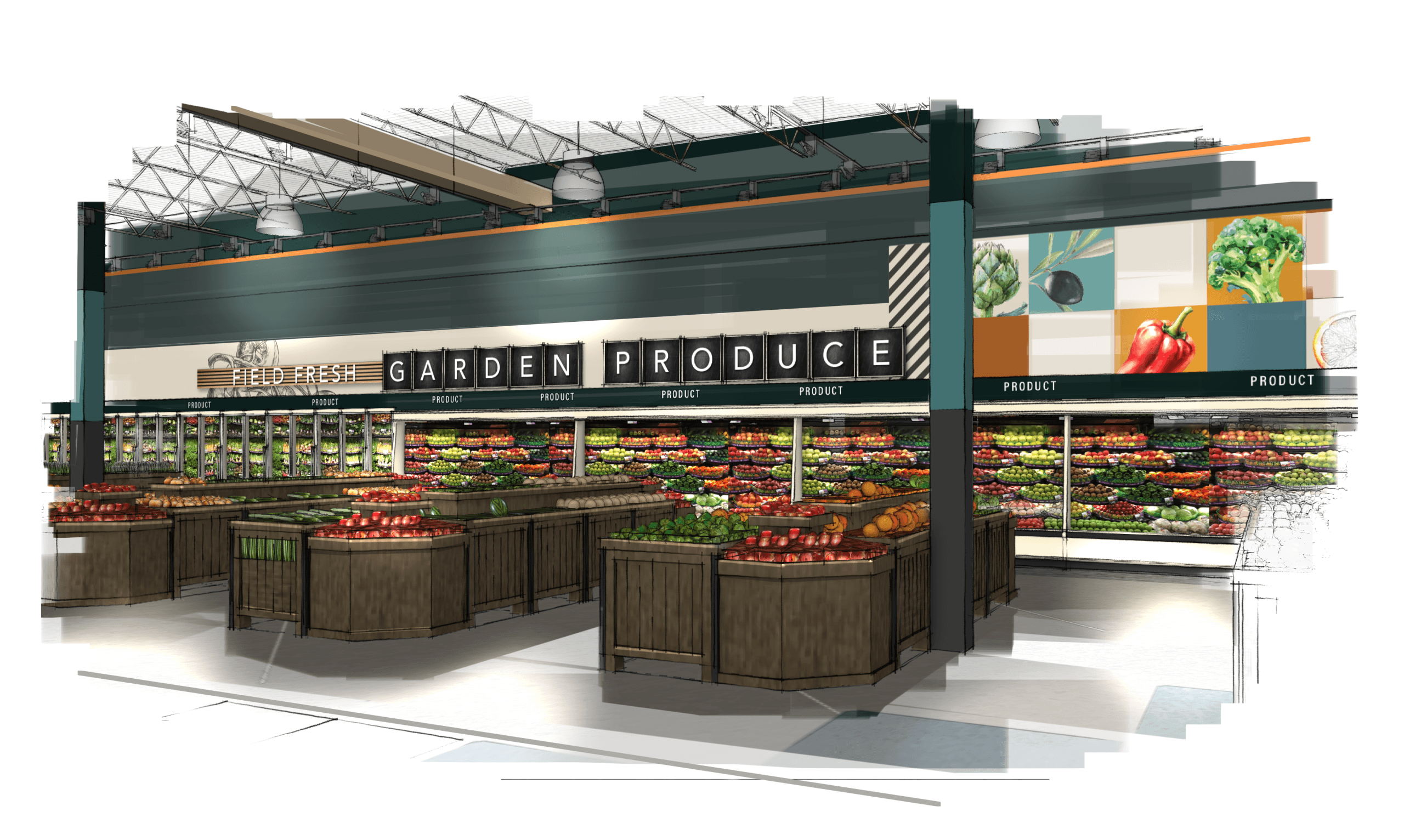
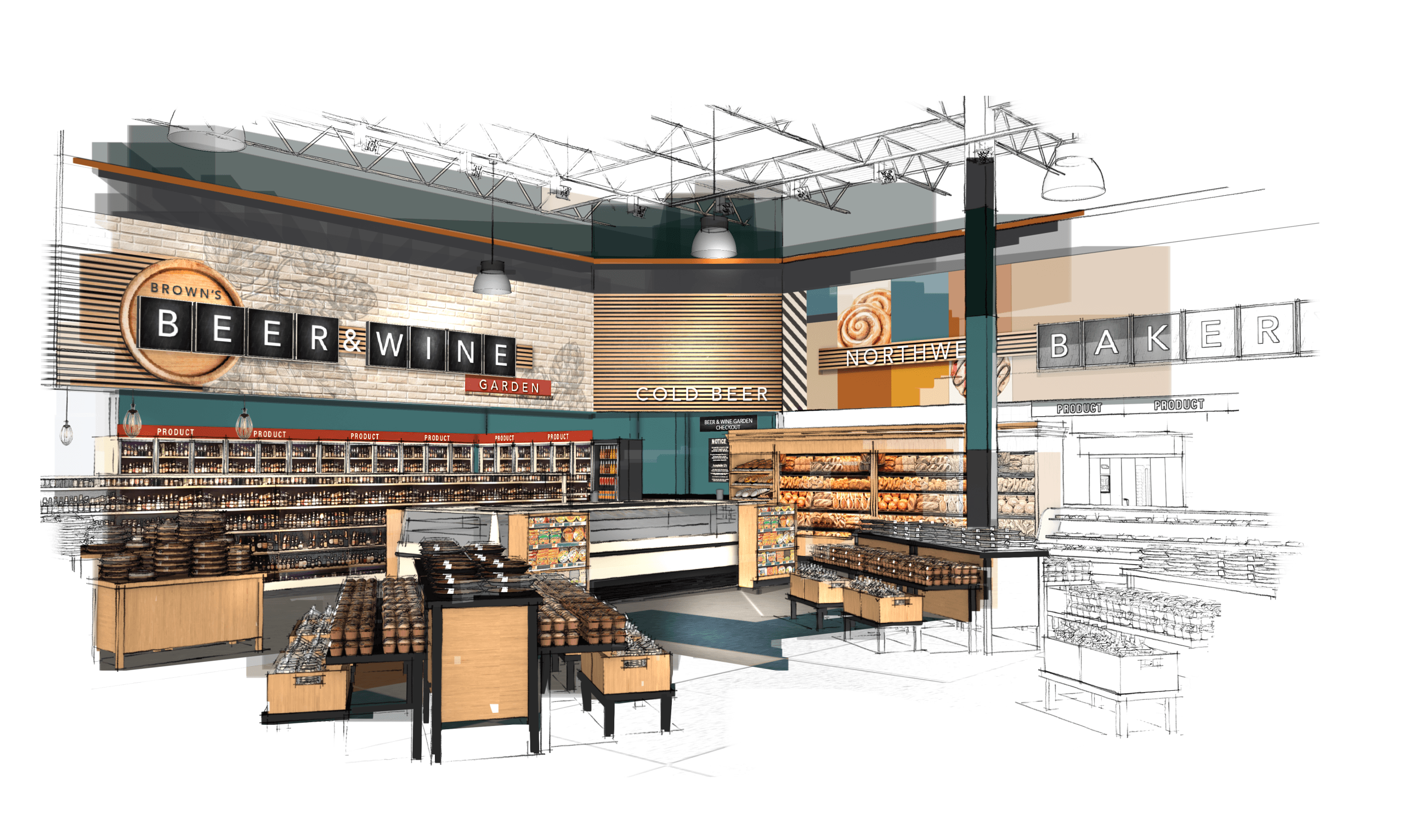
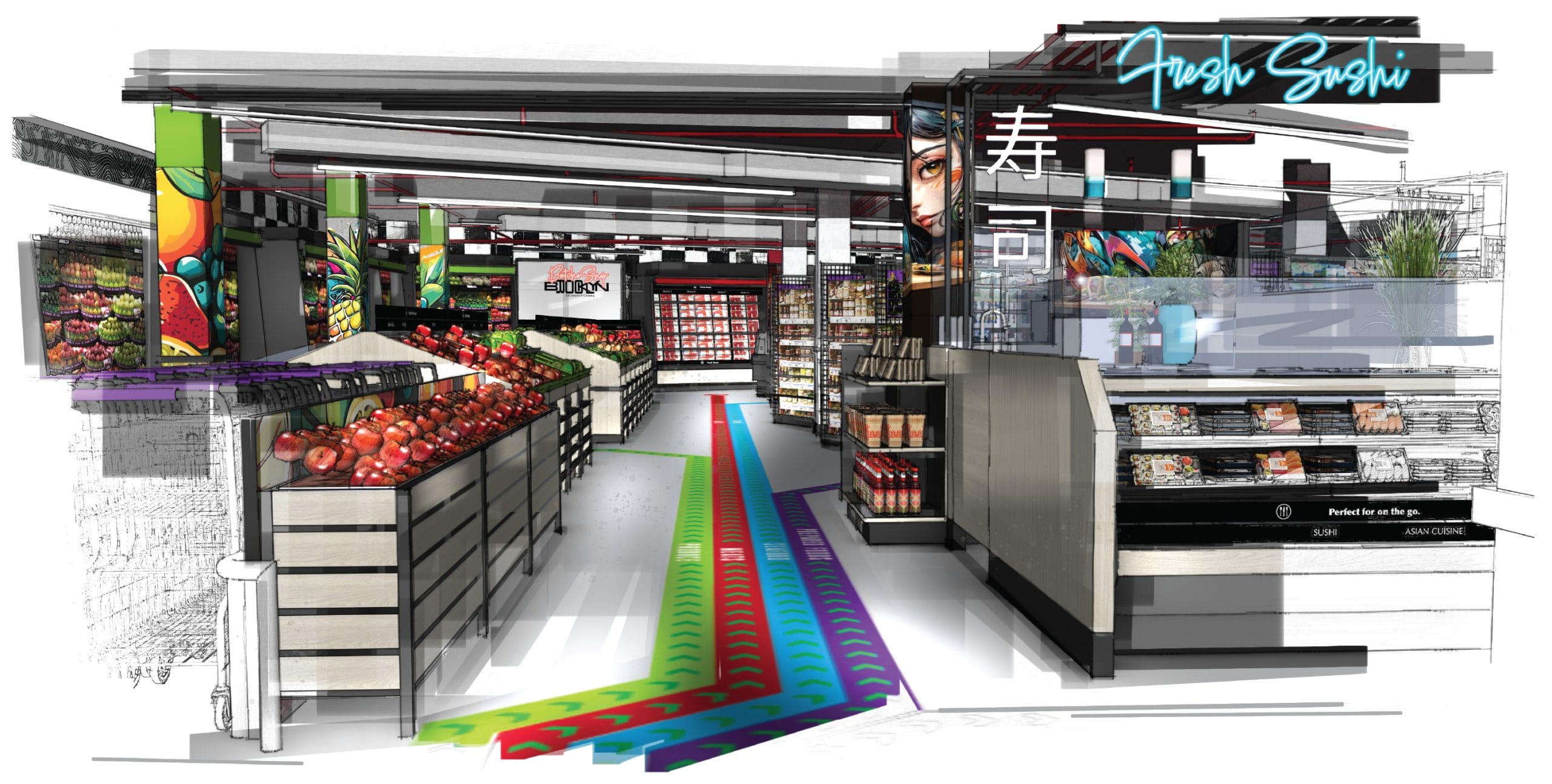
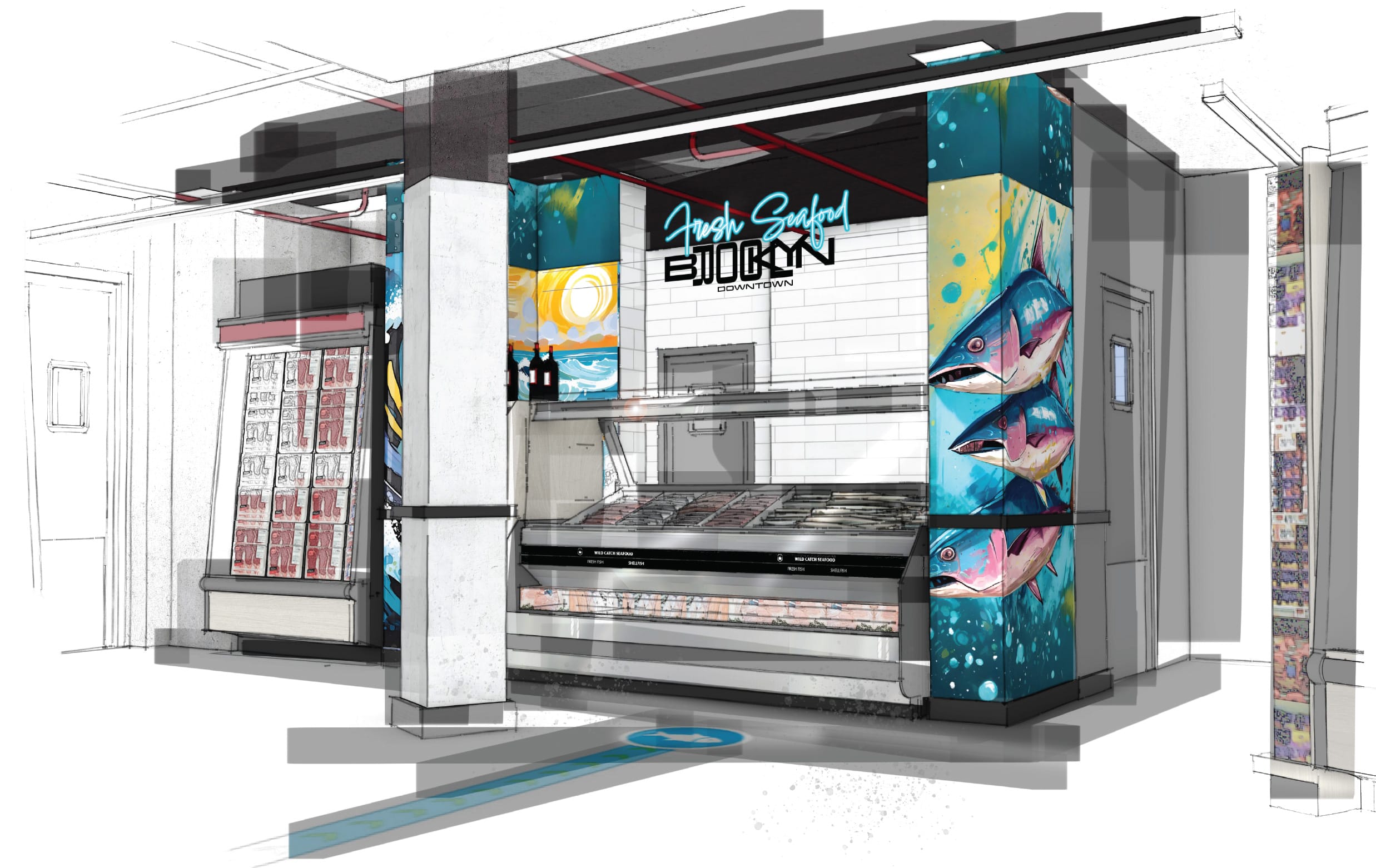
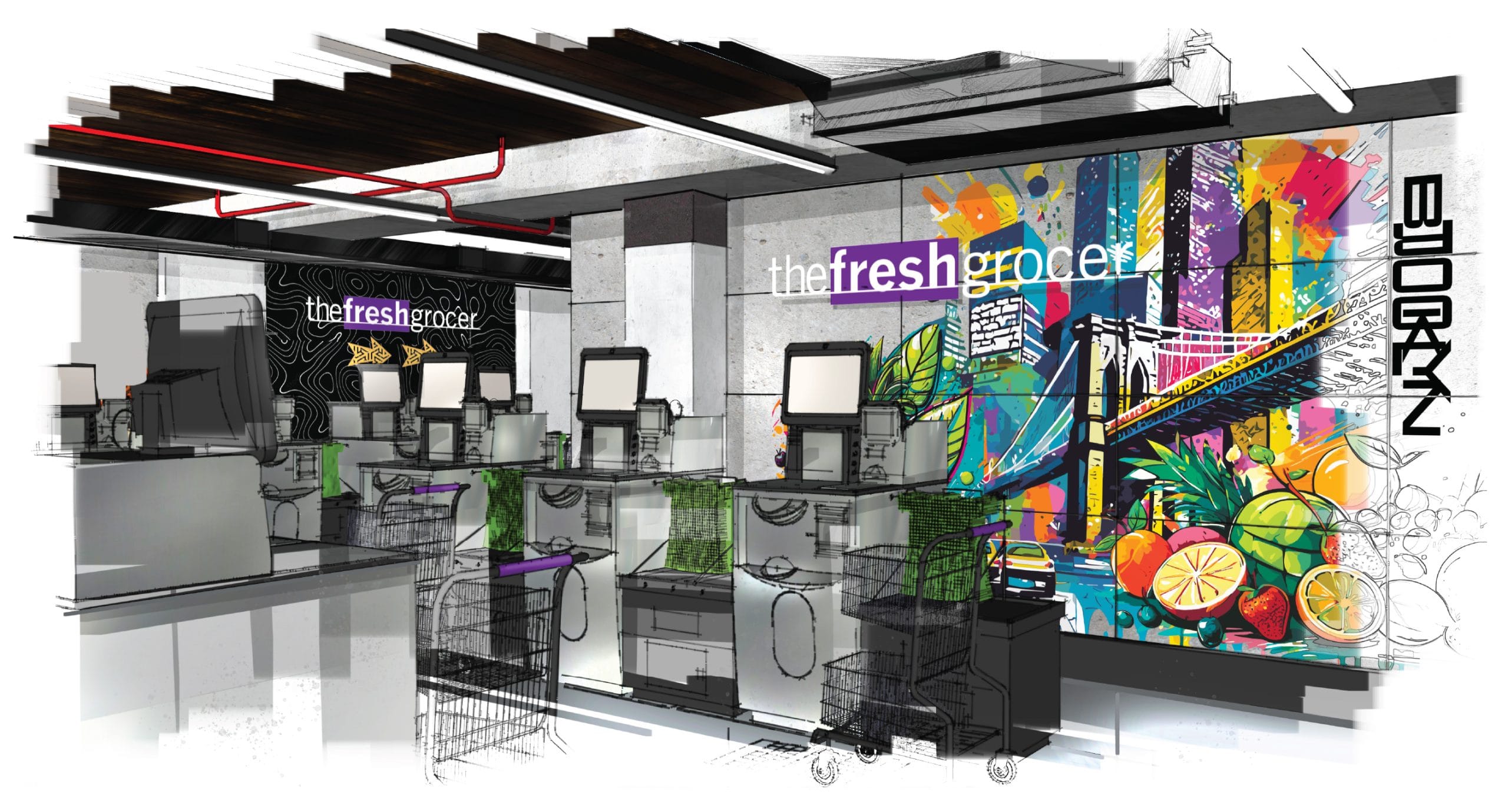


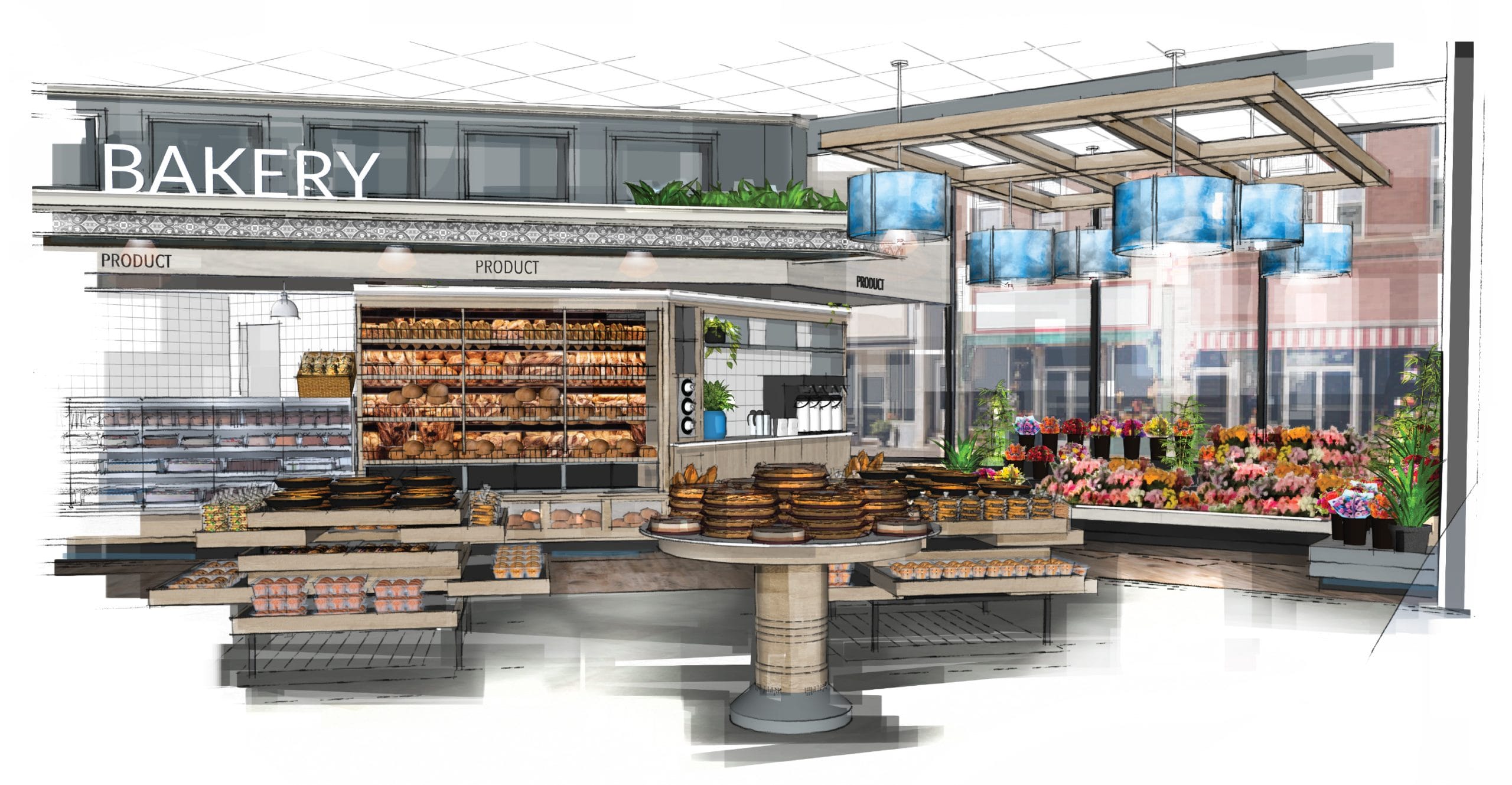

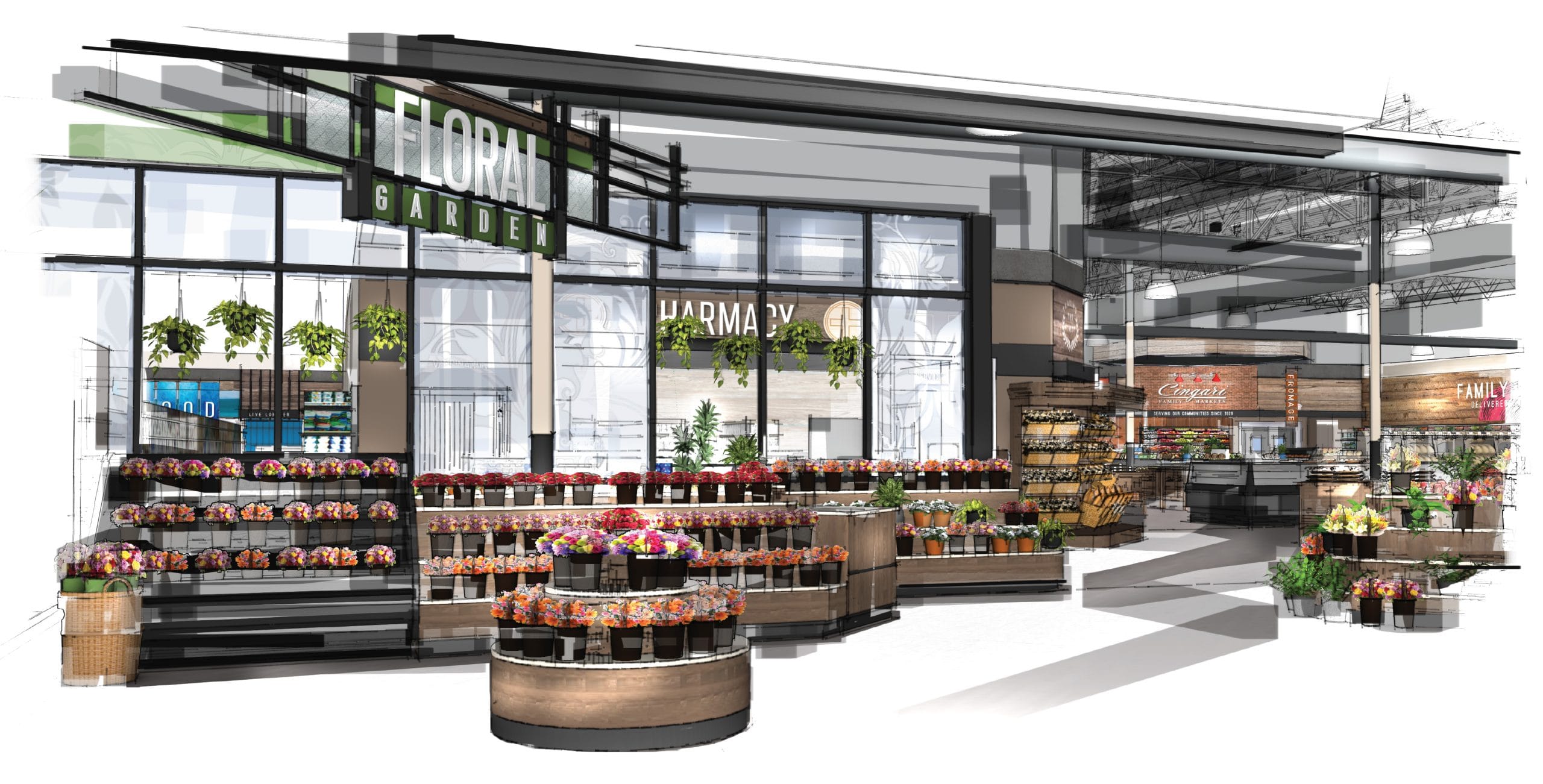


Why Interior Design Matters
Many grocery stores invest heavily in product selection, pricing, and promotions, but overlook how much the environment itself is shaping the outcome.
Customers don’t consciously analyze a store’s design. They simply react to it.
They move faster through spaces that feel cluttered or confusing, linger in areas that feel open, well-lit, and thoughtfully designed and they trust products more when they’re presented in a clean, cohesive environment.
That’s why interior design has such a direct impact on:
- How long customers stay
- How comfortable they feel
- How much they explore
- And ultimately, how much they buy
A strong grocery store interior design doesn’t just look better, it quietly improves performance across the entire store.
Designing for Real Customer Behavior
One of the biggest shifts in modern grocery design is moving away from “how a store should look” to how a store should feel and function.
Most shoppers:
- Make quick, visual decisions
- Follow intuitive paths rather than planned routes
- Gravitate toward brightness, fresh
- ness, and simplicity
- Avoid areas that feel crowded or unclear
That means interior design must do more than decorate, it needs to guide.
At The Broden Design Group, interiors are designed to support natural behavior:
- Clear sightlines so customers can easily orient themselves
- Visual cues that draw attention to key departments
- Consistent design language that reduces confusion
The goal is to make the store feel effortless to shop, without customers ever realizing why.
Elements That Influence How Customers Shop
Lighting That Enhances Product Appeal
Lighting is one of the most powerful, and often overlooked, tools in grocery design.
The right lighting can:
- Make produce look fresher and more vibrant
- Highlight premium products
- Improve overall comfort and visibility
Different areas benefit from different approaches. Warm lighting works well in bakery and prepared foods, while brighter, more natural lighting helps produce feel crisp and fresh. When done right, lighting doesn’t just illuminate, it sells.
Materials & Finishes That Shape Perception
Customers make quick judgments based on what they see and feel.
- Natural textures like wood can signal freshness and quality
- Clean metals and smooth surfaces suggest efficiency and modernity.
- Matte finishes reduce glare and make spaces feel more comfortable.
These details may seem subtle, but together they influence whether a store feels premium, value-driven, or somewhere in between.
Color & Atmosphere
Color plays a quiet but important role in guiding behavior.
- Earth tones and greens reinforce freshness.
- Warm tones create comfort and encourage browsing.
- Neutral palettes help maintain clarity and reduce visual overload.
Used intentionally, color can help define departments, guide movement, and reinforce brand identity without overwhelming the space.
Visual Hierarchy & Focus
One of the most common design mistakes in grocery stores is trying to make everything stand out at once.
Strong interior design does the opposite, it creates a clear sense of priority.
Customers should instantly understand:
- Where to look first
- What areas matter most
- Where to go next
This is achieved through contrast, lighting, spacing, and strategic placement, ensuring high-margin or high-impact areas naturally draw attention.
Designing Each Department with Purpose
A high-performing grocery store doesn’t feel uniform, it feels intentionally layered.
Each department should have its own identity while still fitting into the overall environment.
- Produce should feel open, bright, and abundant.
- Bakery should feel warm and inviting.
- Prepared foods should feel clean, convenient, and accessible.
- Meat and seafood should feel clear, trustworthy, and high-quality.
When each area is designed with purpose, customers move through the store with more confidence and engage more along the way.
Where Interior Design Meets Layout Strategy
Interior design doesn’t exist in isolation, it works hand-in-hand with layout.
A well-designed layout guides movement.
Interior design reinforces it.
For example:
- A layout may direct customers toward produce first
- Interior design ensures that space actually feels like a focal point
At The Broden Design Group, these elements are developed together, not separately. That alignment is what creates a seamless experience and prevents disconnects between strategy and execution.
Balancing Aesthetics with Real-World Functionality
A grocery store can’t just look good, it has to operate efficiently every day.
Interior design must support:
- Easy stocking and restocking
- Durable materials that withstand heavy use
- Clear visibility for both customers and staff
- Smooth checkout and exit experiences
When design ignores operations, it creates friction behind the scenes. When it supports operations, everything runs more smoothly, from staff workflows to customer experience.
Modern Grocery Interior Design Trends
Today’s most successful grocery environments are evolving in a few key ways:
Experience-Driven Design
Stores are becoming destinations, with more emphasis on atmosphere and engagement.
Elevated Convenience
Grab-and-go sections are cleaner, more visible, and easier to navigate.
Simplified Environments
Less clutter, clearer organization, and more intentional design choices.
Sustainable Materials
A growing focus on environmentally responsible design without sacrificing durability.
Integrated Technology
Digital signage and self-checkout areas are being designed to feel seamless, not intrusive.
The Broden Approach to Interior Design
At The Broden Design Group, interior design begins with a simple but important shift in thinking.
It’s not about asking, “What will this store look like?” It’s about asking, “How should this store feel, and how should it perform?”
From there, the process focuses on:
- Understanding the brand and customer
- Aligning interior design with layout strategy
- Selecting materials and finishes that support both experience and durability
- Integrating fabrication for seamless execution
The result is a space that not only looks cohesive, but works exactly as intended.
Signs Your Store’s Interior May Be Holding You Back
Sometimes the issues aren’t obvious, but the impact is.
- Customers move through the store too quickly
- Key departments aren’t drawing attention
- The space feels outdated or inconsistent
- Competitors feel more modern or engaging
- The store doesn’t reflect your brand clearly
These are often signs that the interior environment isn’t supporting performance the way it should.
Why Specialized Grocery Interior Design Matters
Grocery stores are unlike any other retail environment. They combine high traffic, perishable products, and fast decision-making, all within a single space.
That complexity requires a different level of expertise.
A general design approach may improve aesthetics. A specialized approach improves outcomes.
That’s where The Broden Design Group stands apart, designing interiors that are built around how grocery stores actually operate and how customers actually shop.
Frequently Asked Questions
What is grocery store interior design?
It’s the process of designing a supermarket’s interior to improve customer experience, navigation, and sales performance.
How does interior design impact grocery sales?
Design influences how customers feel, what they notice, and how long they stay, all of which directly affect purchasing behavior.
What matters most in grocery interior design?
Lighting, material selection, and how well the design aligns with layout and flow.
How often should stores update their interior design?
Most stores benefit from updates every 5–10 years or when customer expectations shift.
Create a Store Customers Want to Come Back To
Interior design shapes how your store is experienced and remembered.
When it’s done right, customers don’t just shop, they enjoy the process. They stay longer, explore more, and come back again.
Broden Design Group designs grocery store interiors that make that happen.
Let’s Elevate Your Store Experience
If you’re ready to create a grocery environment that feels as good as it performs, Broden Design Group is ready to help.
Start your grocery store interior design project today. Schedule a consultation.

Interior Design Examples

Exterior Design Examples

Graphic Design Exmples
creative inspiration
Art of the Broden Design Group