
Grocery Store Layout Design
The Real Goal of Grocery Store Layout Design
Most grocery stores don’t struggle because of product, they struggle because of how the store is structured. At The Broden Design Group, grocery store layout design is approached as a performance system, not a floor plan exercise. Because the truth is: Customers don’t buy everything they need, they buy what they see, feel, and encounter in the right order.
That means your layout directly controls:
- How long customers stay
- What they notice
- What they add to their cart
- How much they ultimately spend
A well-optimized layout doesn’t just look better, it quietly increases revenue every single day.
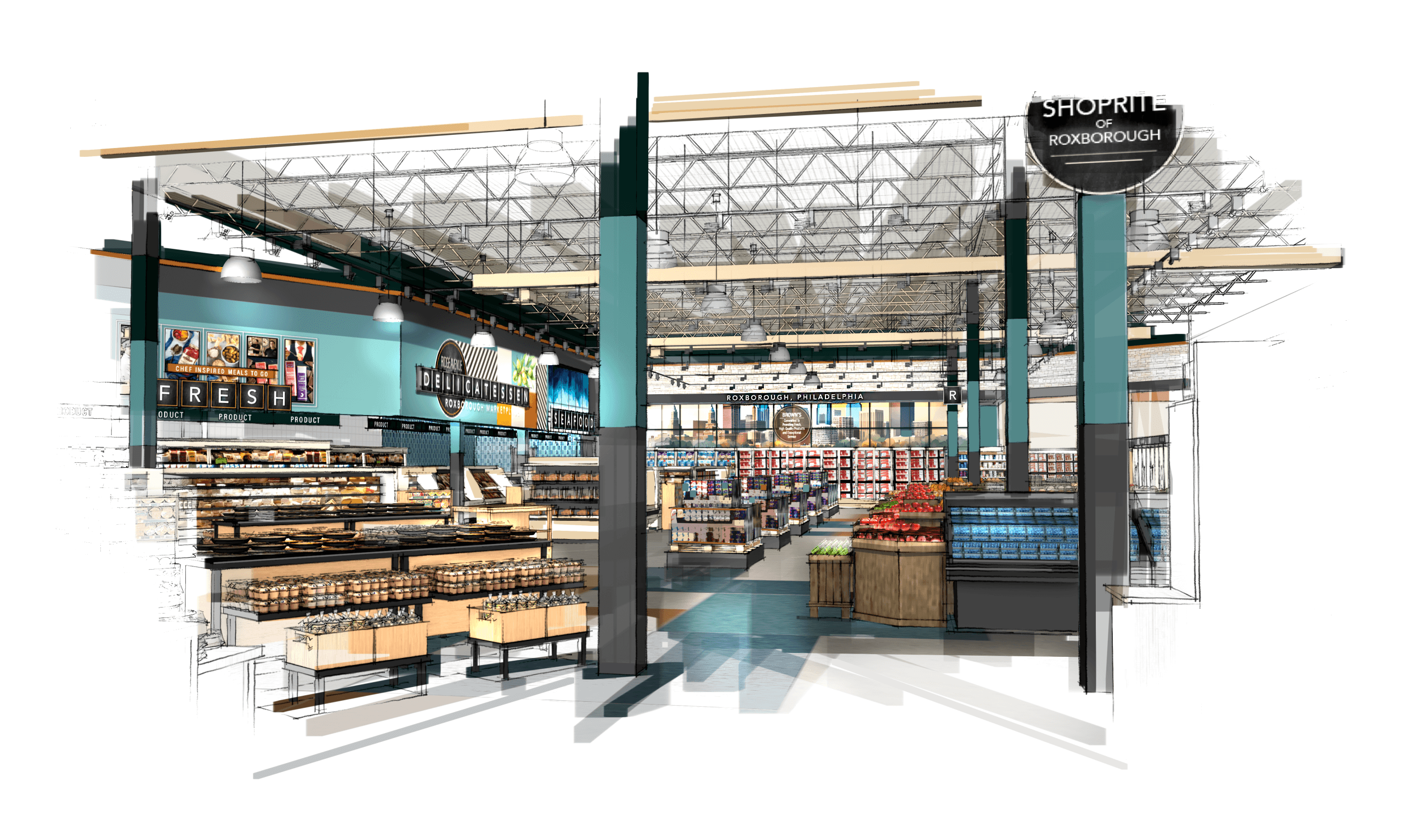
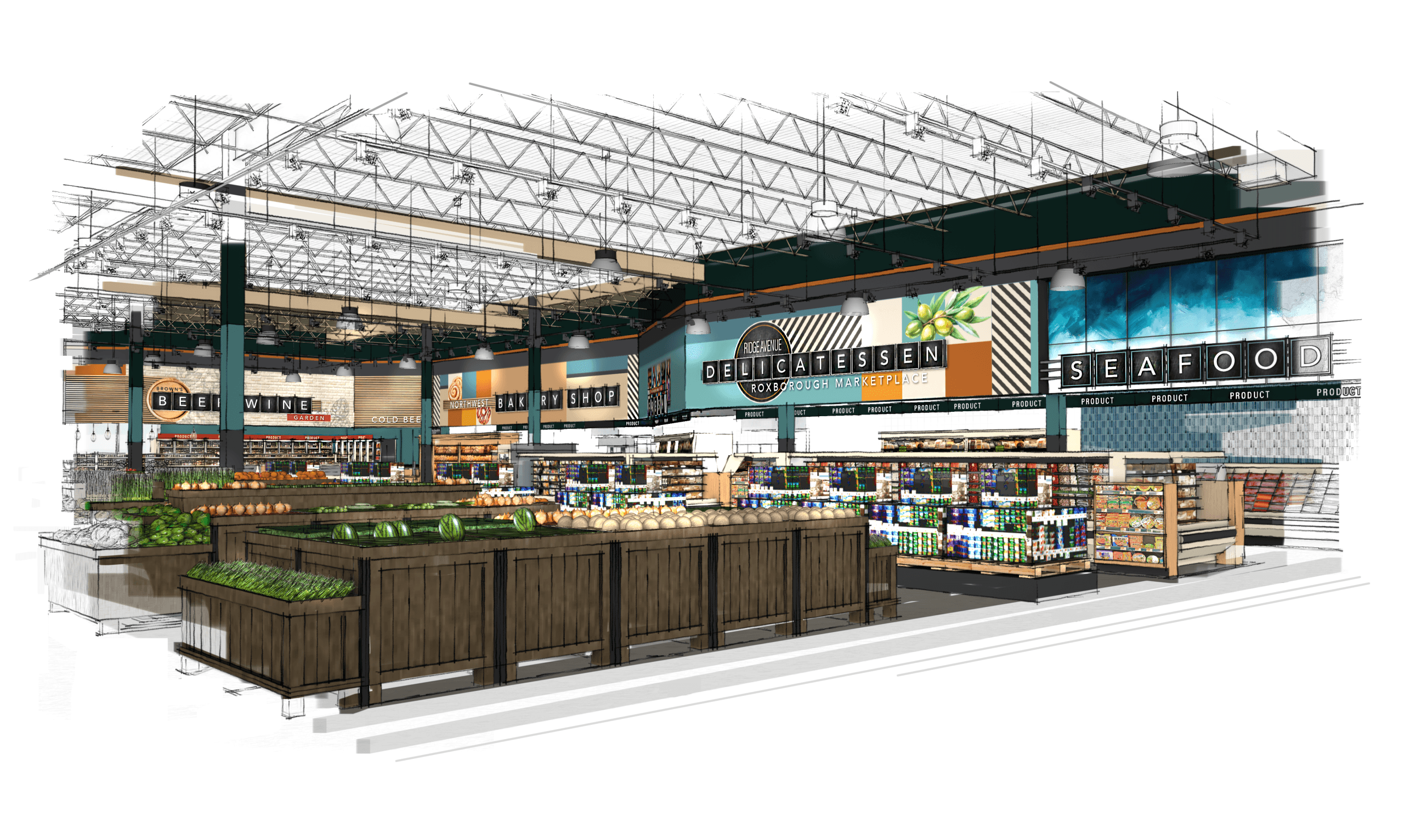
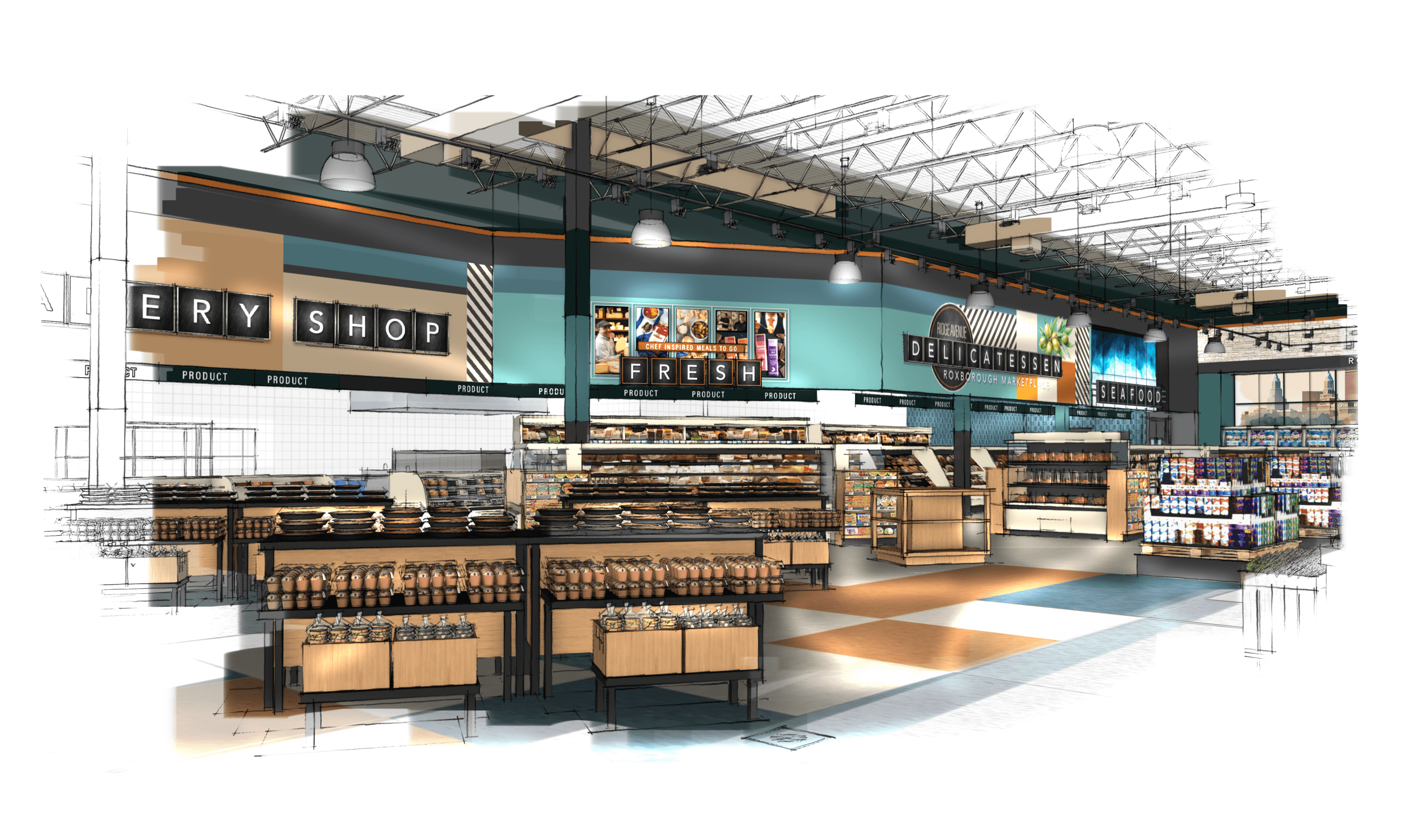
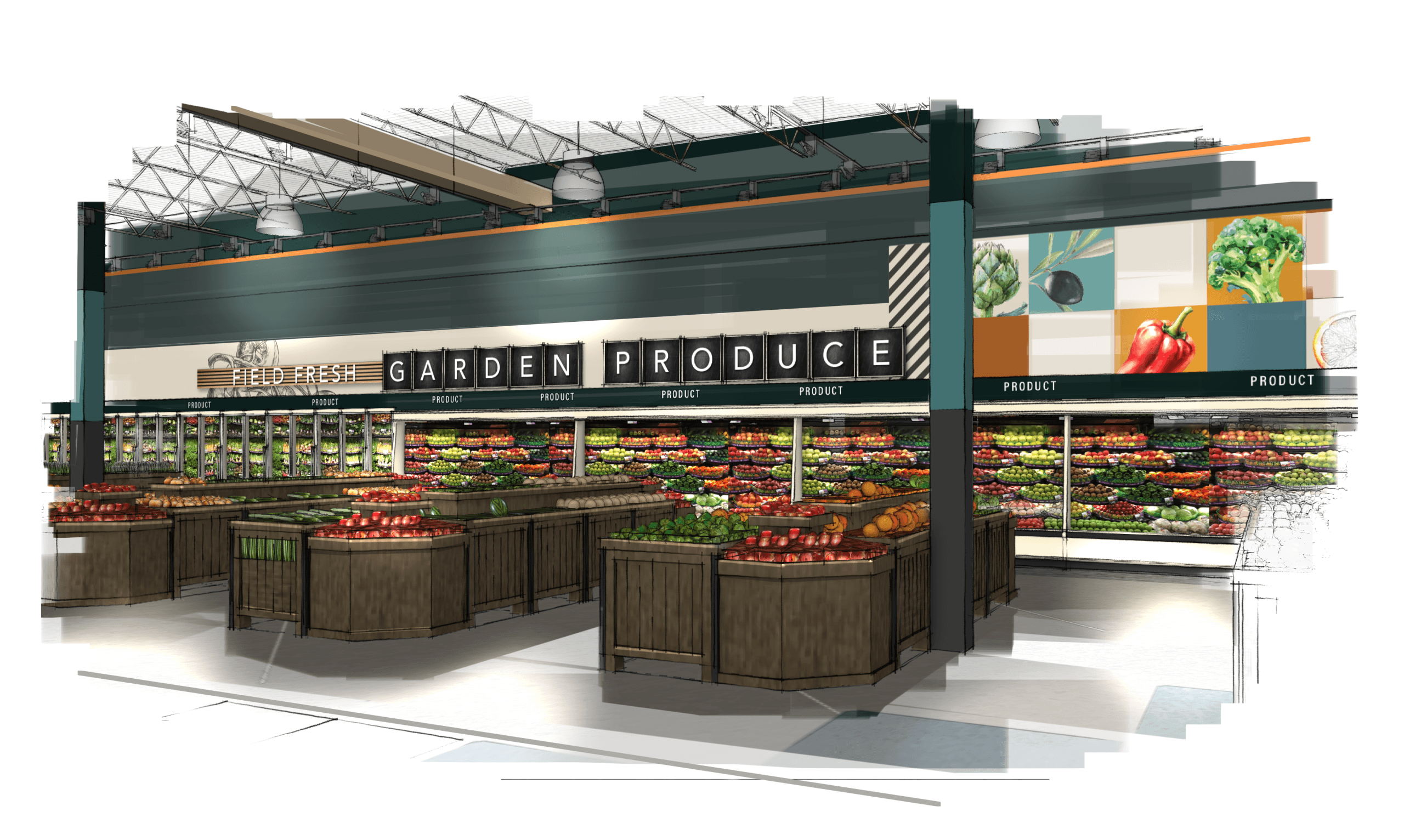
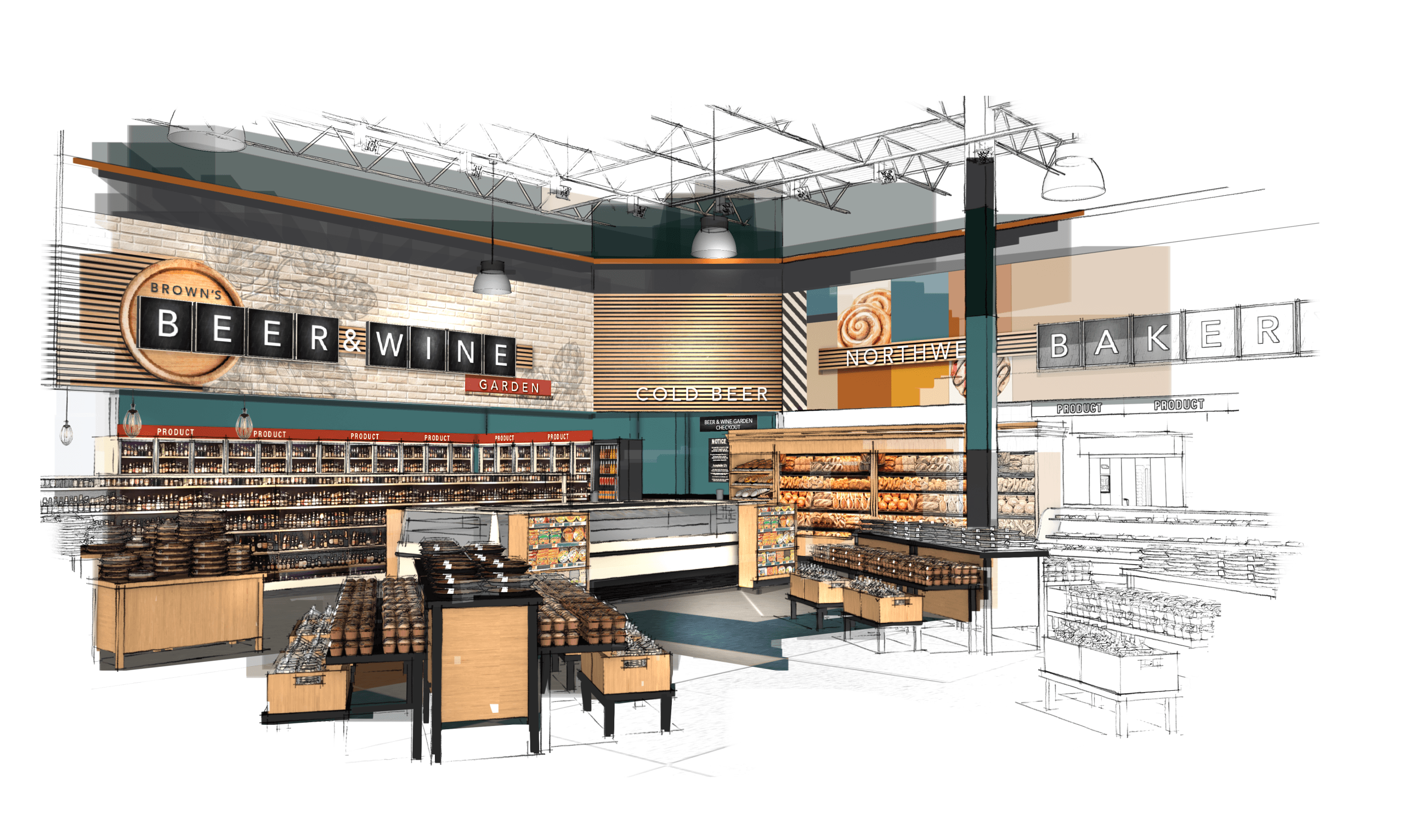
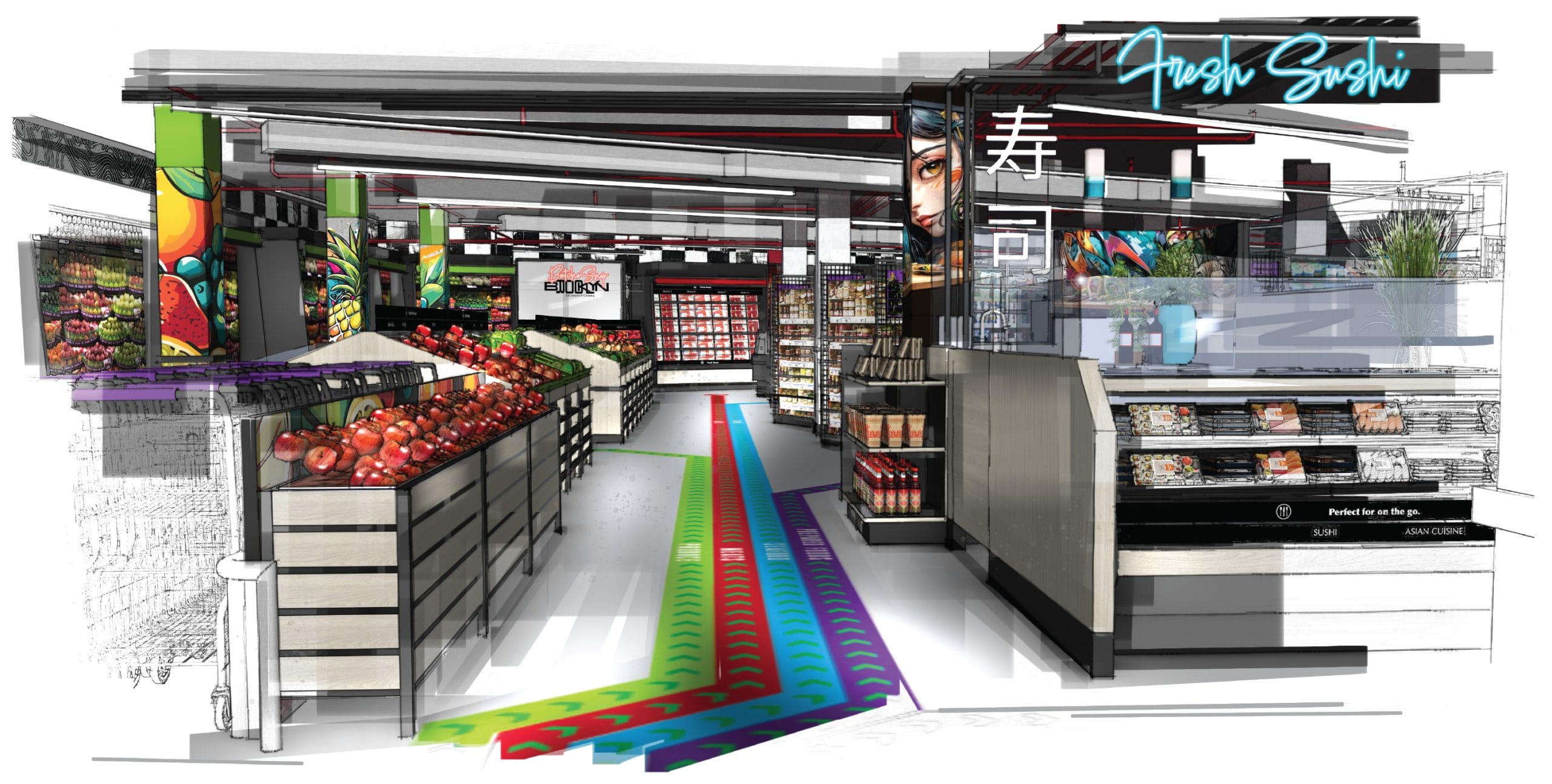
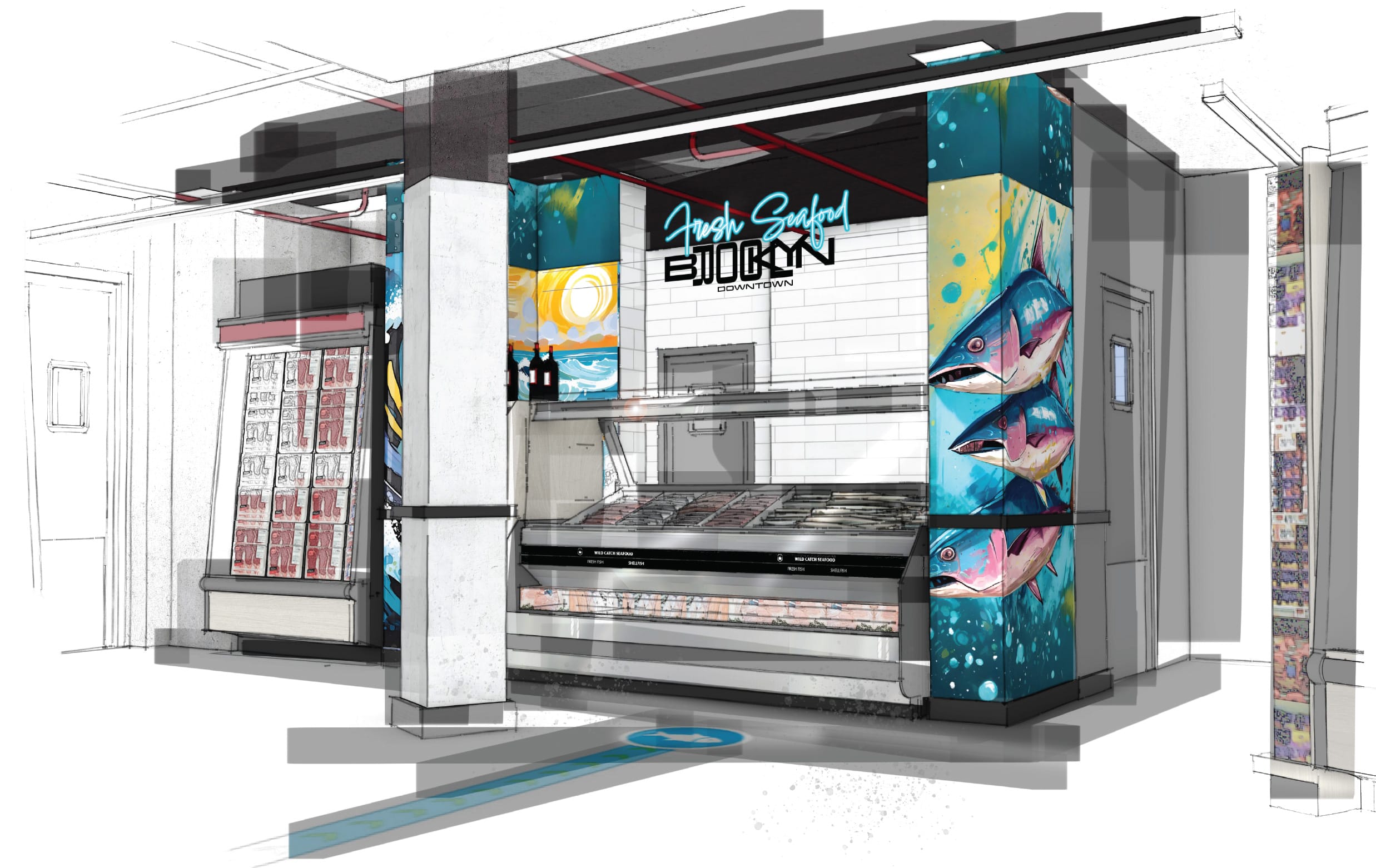
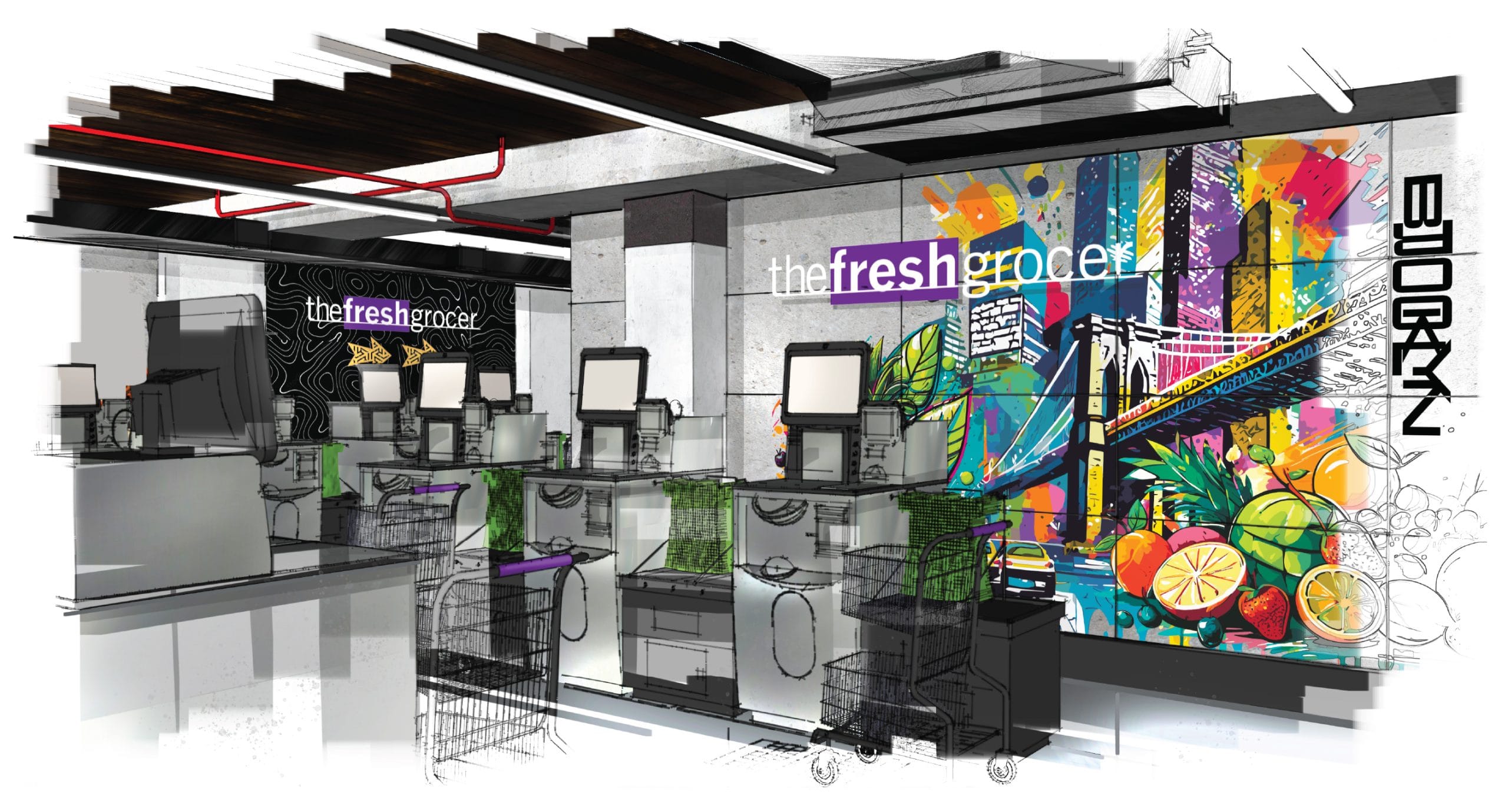


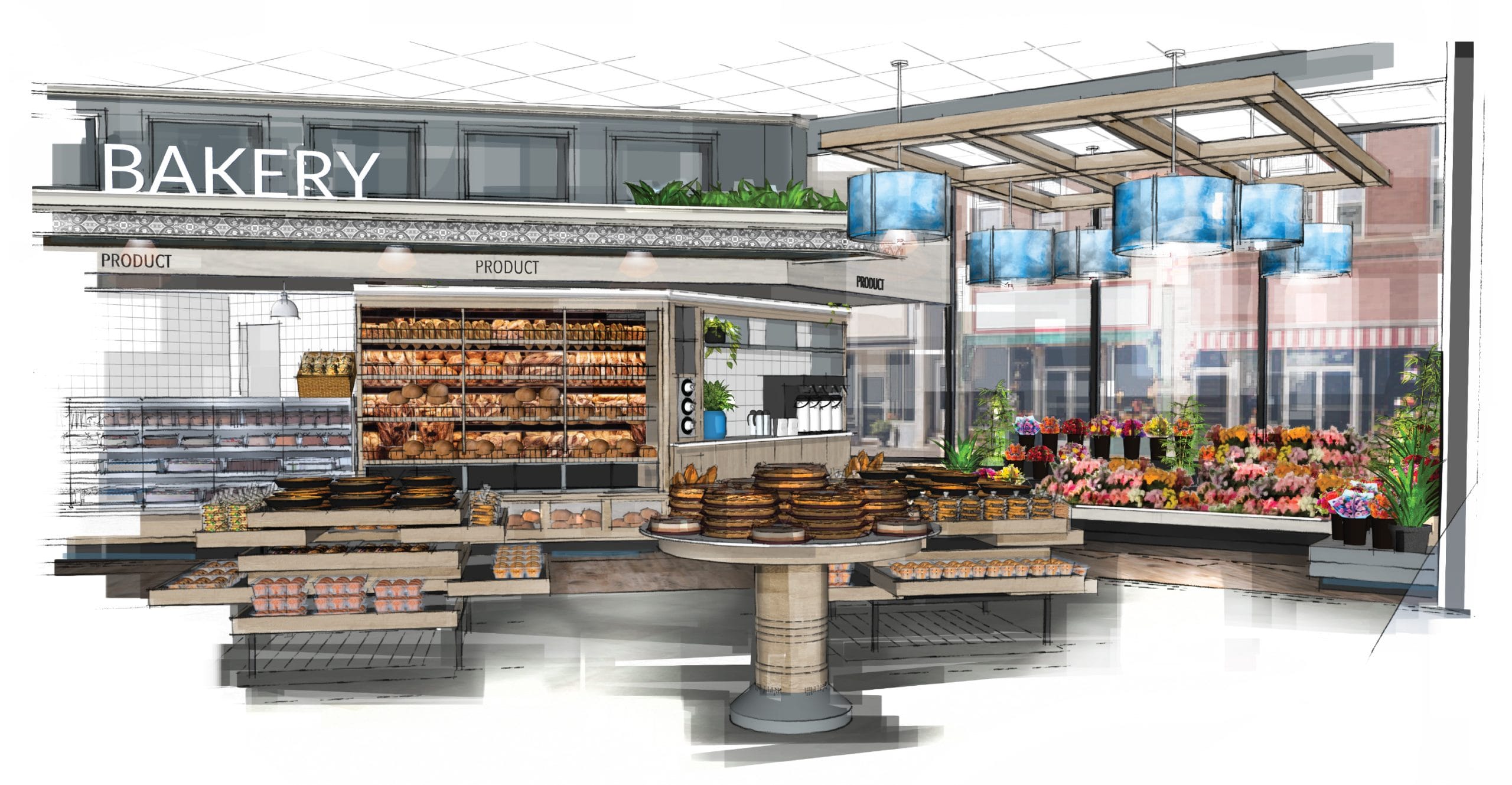

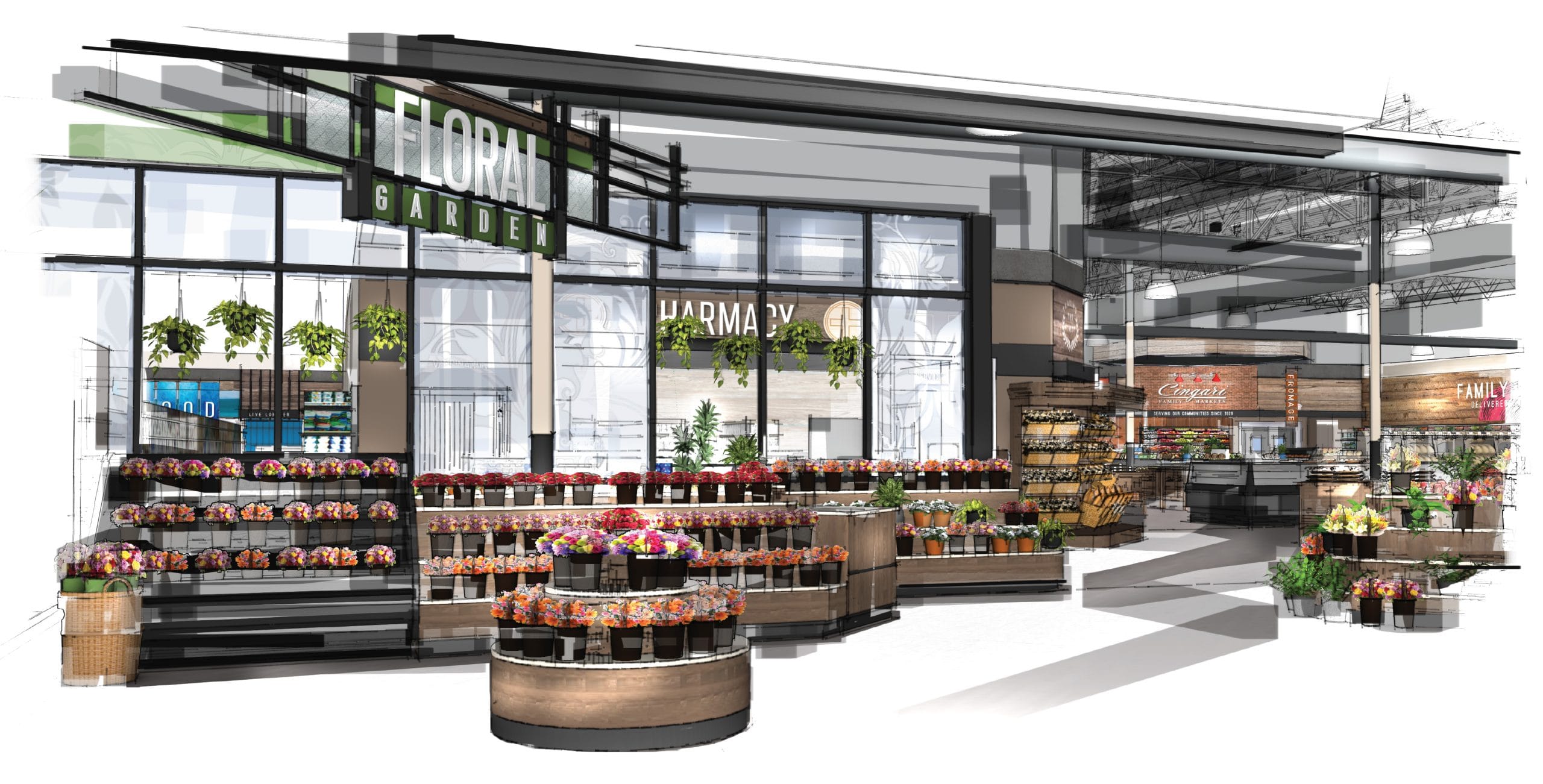


How Customers Actually Shop a Grocery Store
Here’s where most layouts go wrong, they’re designed logically, not behaviorally.
Customers don’t shop like this: “I’ll go aisle by aisle in order.”
They shop like this:
- They enter and orient themselves quickly
- They grab a few known items
- They react to what catches their attention
- They skip anything that feels inconvenient
That’s why layout design needs to account for:
1. Natural Movement Patterns
Most shoppers instinctively turn right when entering a store. If your layout doesn’t account for this, you’re missing your highest-impact real estate.
2. Speed vs. Discovery
You’re designing for two shoppers at once:
- The mission shopper (in and out fast)
- The explorer (open to browsing)
Your layout needs to support both, without frustrating either.
3. Visual Triggers
People don’t scan every aisle. They respond to:
- Color (produce sections win here)
- Lighting
- Movement
- Contrast and display hierarchy
The Hidden Link Between Layout and Basket Size
If your average transaction value is lower than expected, layout is often the culprit.
At The Broden Design Group, layout strategy is built around one core idea:
Customers spend more when the store subtly encourages more decisions.
That happens through:
Smart Adjacencies
Placing products near logical complements:
- Chips near salsa
- Pasta near sauces
- Bakery near coffee
Friction Reduction
If something is even slightly inconvenient to reach, it often won’t get purchased.
Controlled Exposure
The more relevant products a customer sees, the more they add.
Not randomly, but intentionally.
Layout Isn’t Just Front-of-House, It’s Operational Strategy
One of the biggest mistakes grocers make is treating layout as purely customer-facing.
Layout directly impacts:
- Restocking time
- Labor efficiency
- Product waste
- Department coordination
For example:
- Poor back-of-house access slows down fresh department turnover
- Bad refrigeration placement increases maintenance issues
- Inefficient checkout zones create long lines and lost sales
Broden designs layouts that work for both: The shopper experience AND the operational engine behind it

Common Layout Problems That Kill Performance
If any of these feel familiar, layout optimization is likely overdue:
“Dead Zones” in the Store
Areas customers rarely visit = lost revenue opportunity
Overcrowded Entrances
Too many displays too early = overwhelmed customers who disengage
Confusing Department Placement
If customers can’t intuitively find what they need, they leave faster
Checkout Bottlenecks
Nothing kills a good shopping experience faster than a frustrating exit
Underperforming Fresh Departments
If produce or prepared foods aren’t positioned correctly, they lose their impact
How Broden Approaches Grocery Layout Differently
At The Broden Design Group, grocery store layout design is approached from a performance standpoint first. Instead of starting with where fixtures or aisles should be placed, the focus is on how the store needs to function, how customers will move through the space, what they’ll notice, and how the environment can drive stronger sales.
By prioritizing outcomes like flow, visibility, and overall experience, the layout becomes a strategic tool for improving performance, not just a physical arrangement of shelves.
Phase 1: Behavior Mapping
- How customers currently move
- Where they stop
- Where they skip
Phase 2: Opportunity Identification
- Underutilized space
- Missed exposure points
- High-value repositioning opportunities
Phase 3: Layout Reengineering
- Flow restructuring
- Department repositioning
- Visibility optimization
Phase 4: Integration with Fixtures & Fabrication
- Layout aligned with custom-built merchandising systems
- Seamless connection between design and real-world execution
Layout Strategies That Drive Immediate Impact
Pull Customers Deeper Into the Store
Move staple items (milk, eggs, bread) farther back, this increases exposure to other products.
Use Fresh Departments as Visual Anchors
Produce and prepared foods should pull customers in, not sit quietly off to the side.
Break Up Long Aisles
Introduce visual interruptions to keep engagement high.
Control Line of Sight
What customers can see = what they consider buying.
Design for “One More Item”
Your layout should constantly present: “While you’re here, grab this too.”
Different Store Types Require Different Layout Thinking
Not every grocery store should be designed the same way.
Large Format Supermarkets
- Focus on full-store navigation
- Balance efficiency with exploration
Urban / Small Format Stores
- Prioritize speed and accessibility
- Maximize vertical and compact space
Specialty or Boutique Grocers
- Lean into experience
- Less structure, more discovery
Broden tailors layout strategy based on store size, audience, and business model, not templates.
When It’s Time to Rethink Your Layout
You don’t always need a full renovation, but you do need to act when:
- Sales plateau despite strong inventory
- Customers aren’t reaching key departments
- Certain categories consistently underperform
- Traffic patterns feel inconsistent or unpredictable
- The store no longer reflects how people shop today
Even small layout shifts can unlock major gains.
Why Specialized Grocery Layout Expertise Matters
Grocery is one of the most complex retail environments to design.
It involves:
- Perishable product timing
- High-frequency visits
- Complex purchasing behavior
- Tight margins
A general design firm may optimize for appearance.
A firm like The Broden Design Group optimizes for performance.
Frequently Asked Questions
How does grocery store layout impact sales?
Layout determines what customers see, how they move, and how long they stay, all of which directly affect how much they buy.
What’s the biggest mistake in grocery store layout design?
Designing for logic instead of behavior. Customers don’t shop aisle-by-aisle—they respond to flow and visibility.
Can you improve a layout without a full remodel?
Yes. Strategic adjustments to flow, product placement, and department positioning can drive measurable results.
How do you increase basket size through layout?
By increasing exposure to relevant products, reducing friction, and encouraging impulse decisions through strategic placement.
A Smarter Layout Is a Smarter Business
Your store layout is working every minute you’re open—either helping you grow or holding you back.
With the right strategy, you can:
- Increase basket size
- Improve flow and experience
- Unlock hidden revenue in your existing space
The Broden Design Group designs grocery store layouts that do exactly that.
Let’s Rethink How Your Store Performs
If you’re ready to turn your layout into a true competitive advantage, The Broden Design Group is ready to help.
Start your grocery store layout optimization project today. Schedule a consultation with the award-winning team from The Broden Design Group.

Interior Design Examples

Exterior Design Examples

Graphic Design Exmples
creative inspiration
Art of the Broden Design Group