
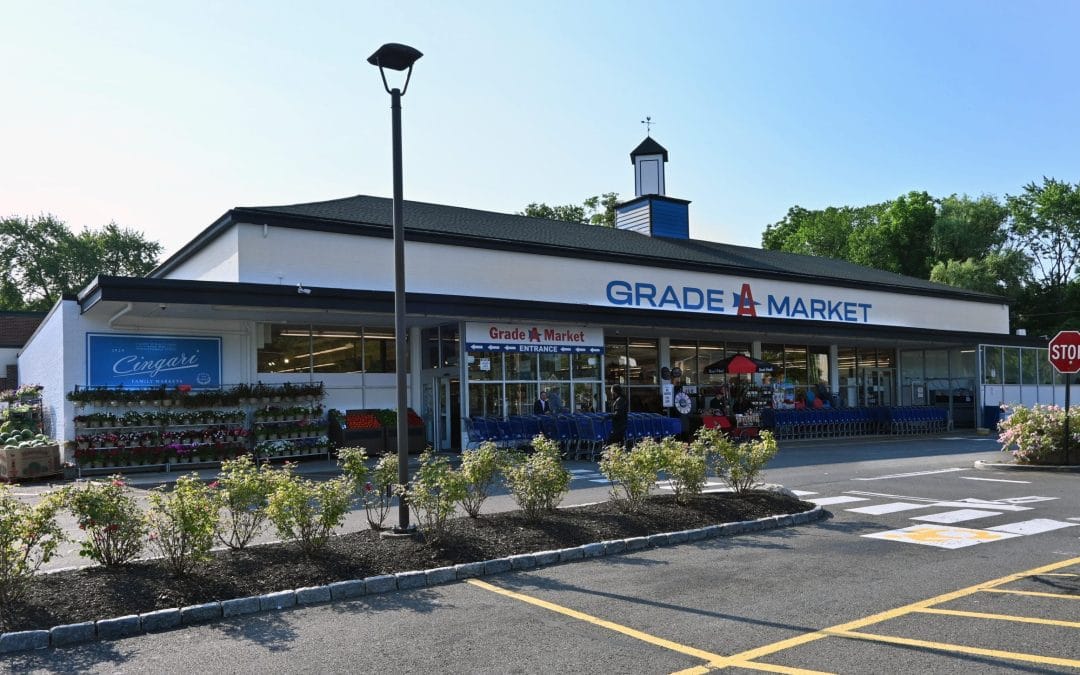
Getting customers through the doors of a supermarket is only part of the challenge. Once they arrive, the physical store should give them reasons to explore, discover products, interact with fresh departments, and enjoy the experience enough to come back.
That doesn’t mean intentionally making shoppers wander through confusing aisles or placing everyday essentials in inconvenient locations. Today’s grocery customers value efficiency just as much as discovery. According to FMI’s 2026 U.S. Grocery Shopper Trends research, 69% of in-store shoppers value an easy shopping experience, and the same percentage say being able to easily find aisles and departments matters to them. At the same time, shoppers continue to value physical stores for experiences that ecommerce can’t fully replicate, including personally selecting fresh foods, discovering products, and interacting with people.
For grocery store owners, that creates an interesting design challenge: How do you make a supermarket easy to shop while also making customers want to spend more time there?
The answer is productive dwell time. Instead of making shopping take longer, successful grocery store design creates more worthwhile moments within the trip. A customer might stop to browse a seasonal display, discover a new bakery item, explore prepared foods, sample a local product, or pick up complementary ingredients for dinner. The customer gets a better experience, while the retailer creates more opportunities for product exposure and additional purchases.
At Broden Design Group, this is where supermarket design becomes more than aesthetics. Layout, customer flow, department placement, signage, fixtures, merchandising, and branding can all work together to create a store customers naturally want to explore.
Key Takeaways
- Longer dwell time should come from engagement and product discovery, not confusing layouts or inefficient shopping.
- Fresh departments and prepared foods can become destinations that encourage customers to slow down and explore.
- Strategic department placement and cross-merchandising expose shoppers to complementary products without making the experience feel forced.
- Clear signage and wayfinding are essential because customers are more likely to browse when they feel confident navigating the store.
- Flexible promotional and seasonal areas give repeat customers something new to discover.
- Local identity, food experiences, and human interaction can give physical supermarkets advantages that online grocery shopping cannot easily replicate.
- The best grocery store design balances convenience, discovery, merchandising, customer experience, and operational performance.
Start With a Layout That Encourages Discovery Without Creating Friction
The grocery store layout establishes the customer’s journey before signage, décor, fixtures, or graphics enter the conversation. Entrances, primary pathways, department locations, aisle orientation, sightlines, and checkout areas all influence how customers move through the store and which products they encounter.
The goal shouldn’t be to force shoppers past every possible product. It should be to create a logical journey with natural opportunities for discovery.
For example, a customer may enter through an open, uncluttered entrance and immediately see an attractive produce department. From produce, sightlines might lead toward bakery or prepared foods. Primary traffic paths can introduce seasonal merchandising, promotional displays, or specialty departments without requiring customers to deviate dramatically from their intended trip.
A strong supermarket layout should consider:
- Where customers naturally go after entering
- Which departments deserve the strongest visibility
- How fresh departments connect to one another
- Where promotional displays will receive meaningful exposure
- Which categories make sense beside one another
- How quick-trip shoppers move differently from weekly stock-up shoppers
- Where congestion is likely to occur
- How customers transition between perimeter departments and center store
- What shoppers can see from major traffic paths
Broden’s supermarket design process incorporates customer journey mapping, traffic flow, department adjacency, sightlines, and sales-driven zoning into the planning process. The objective is to make the store easy to understand while continuously presenting relevant reasons to explore.
That distinction is important. A shopper spending five extra minutes because they can’t find something isn’t valuable dwell time. A shopper spending five extra minutes browsing fresh foods or discovering meal ideas is a completely different story.
Make Fresh Foods and Prepared Meals Worth Exploring
One of the biggest advantages a physical supermarket has over ecommerce is sensory experience. Customers can see the color of produce, smell bread coming from the bakery, examine a cut of meat, watch food being prepared, or discover something they weren’t specifically searching for.
FMI reports that 69% of shoppers value being able to examine produce up close. That gives supermarket owners a strong reason to think of produce, bakery, deli, meat, seafood, and prepared foods as more than departments that need to fit somewhere on a floor plan.
They can become destinations.
Fresh departments can use lighting, custom signage, layered displays, materials, service counters, visible preparation, and thoughtful merchandising to communicate freshness and quality. The goal is to create enough visual interest that shoppers naturally slow down and look.
Prepared foods offer an especially significant opportunity. Modern supermarkets aren’t only competing against other grocery stores for food spending; they’re also competing against restaurants, takeout, convenience stores, meal delivery, and drive-throughs.
A customer who enters intending to buy groceries might also leave with dinner if the prepared-food department is visible, appealing, and convenient.
That can mean creating dedicated environments for hot foods, sushi, bakery cafés, grab-and-go meals, rotisserie chicken, salads, sandwiches, or ready-to-heat entrées. Menu boards, service counters, specialized lighting, seating, distinctive signage, and strategically positioned refrigerated cases can make prepared foods feel like a destination rather than another grocery category.
The same thinking can extend into fresh departments through merchandising combinations such as:
- Steak with seasonings, potatoes, and vegetables
- Pasta with sauce, Parmesan, and fresh bread
- Rotisserie chicken with prepared sides
- Cheese with crackers, preserves, and specialty meats
- Burgers with buns, condiments, and grilling supplies
- Fresh berries with bakery or dessert ingredients
These combinations create additional product exposure while making the customer’s shopping trip more useful. Instead of simply trying to sell another item, the store is helping solve a meal or occasion.
Give Regular Customers Something New to Discover
Grocery stores have something most retail businesses would love to have: frequent repeat traffic.
Customers may visit the same supermarket every week, sometimes multiple times per week. But that also creates a design challenge. If the environment never changes, regular shoppers can become extremely efficient at ignoring everything that isn’t already on their list.
Flexible merchandising can interrupt that routine in a positive way.
Seasonal displays, new-product areas, local brands, holiday merchandising, limited-time foods, recipe inspiration, specialty items, and changing promotional zones give customers reasons to notice something different on each visit.
This doesn’t mean filling every available space with promotional displays. Too much merchandising can create visual noise and make important messages less effective. The better approach is to intentionally design flexible areas that can change throughout the year.
High-value opportunities may include endcaps, transition zones between departments, seasonal displays near major pathways, feature tables within fresh departments, or designated local-product showcases.
Supermarket owners should also think beyond individual products and merchandise around shopping missions. A summer grilling display, back-to-school lunch area, game-day destination, holiday baking section, or weeknight dinner solution can bring multiple categories together around something the customer is already trying to accomplish.
This is where grocery store design and merchandising strategy need to work together. The physical environment should provide enough flexibility for the merchandising team to continually refresh what customers see without requiring a redesign every season.
Make the Store Easy to Navigate — Then Give Shoppers Reasons to Wander
There’s a misconception in retail that customers will buy more if they’re forced to wander around.
That strategy can easily backfire.
If someone can’t find milk, doesn’t understand the aisle signage, or repeatedly has to backtrack through the store, they’re probably not thinking about discovering new products. They’re thinking about leaving.
Clear supermarket wayfinding gives customers confidence. When shoppers understand the environment and know they can quickly find what they need, they have more freedom to explore.
Effective wayfinding can combine:
- Highly visible department identification
- Consistent aisle markers
- Clear typography
- Strong sightlines
- Color or material cues
- Logical product organization
- Recognizable department identities
- Strategic promotional signage
Signage should also establish hierarchy. A permanent department sign, promotional message, price communication, and local storytelling graphic shouldn’t all compete for attention at the same visual level.
Broden integrates signage and wayfinding into the overall supermarket design rather than treating them as elements added after the layout and interiors are finished. That allows navigation, branding, and merchandising to support one another.
The best supermarket wayfinding doesn’t demand attention. It simply makes the store feel intuitive.
Once customers feel comfortable navigating the space, design can give them reasons to deviate from their original path: a bakery display visible across the store, an attractive prepared-food destination, a seasonal feature, or a specialty department that catches their attention.
Use Experience to Give Physical Grocery Stores an Advantage
Online grocery shopping is incredibly good at efficiency. A customer can reorder the same products, search for an item instantly, and have groceries delivered without walking through a store.
A physical supermarket needs to capitalize on the things digital shopping can’t reproduce as well.
That includes human interaction.
A customer can ask the butcher about a cut of meat, talk with someone at the seafood counter, watch sushi being prepared, sample a new product, smell fresh bread, or discover a locally made item they didn’t know existed.
The store environment should create space for those experiences rather than designing solely around shelves and transactions.
Depending on the supermarket concept, opportunities could include:
- Product sampling
- Demonstration areas
- Visible food preparation
- Specialty service counters
- Bakery and culinary interaction
- Local vendor showcases
- Seasonal events
- Seating near prepared foods
- Recipe and meal inspiration
- Community-focused displays
Local identity can also make the experience more memorable.
Independent and regional grocers have a particularly strong opportunity here. Photography, murals, neighborhood history, regional foods, architectural references, local landmarks, and community stories can help a supermarket feel connected to the place it serves.
That’s difficult for a generic national prototype to reproduce authentically.
And it matters because customers have choices. The average shopper doesn’t necessarily have one grocery relationship anymore. Consumers may split spending among traditional supermarkets, warehouse clubs, specialty grocers, mass merchants, discount stores, farmers markets, and ecommerce.
The physical environment becomes one more reason to choose your store.
Technology Should Enhance the Experience, Not Distract From It
Digital and physical grocery shopping are increasingly intertwined. FMI reports that 71% of grocery shoppers engage digitally while shopping, while retailer apps are used by more than half of shoppers during the grocery-shopping process.
That doesn’t mean supermarkets should cover every wall with screens.
It means technology should be incorporated where it makes the shopping experience better.
Useful applications can include digital menu boards in prepared foods, loyalty-program integration, product information, digital coupons, item-location tools, QR codes, promotional displays, self-checkout, and other technologies that solve a real customer need.
The same principle applies to digital signage. A strategically positioned screen providing useful meal ideas or promotions can enhance an environment. Ten screens competing for attention can become background noise.
Technology should answer a simple question: Does this make the customer’s trip easier, more useful, or more engaging?
If it doesn’t, it may not belong in the design.
Design for Productive Dwell Time, Not Simply More Minutes
Ultimately, the goal isn’t keeping every shopper inside the supermarket for as long as possible.
Some customers want a leisurely weekly shopping trip. Others need three items and want to leave in five minutes. A well-designed grocery store should accommodate both.
The opportunity is to make whatever time the customer spends in the store more productive.
| Unproductive Dwell Time | Productive Dwell Time |
| Searching for a department | Browsing an interesting department |
| Waiting because of congestion | Sampling a new product |
| Backtracking through aisles | Discovering complementary products |
| Trying to understand signage | Exploring seasonal merchandising |
| Waiting in an inefficient queue | Choosing from prepared meal options |
| Looking for an employee for directions | Talking with a specialist about a product |
That is the difference supermarket owners should focus on.
A successful store allows customers to accomplish their intended shopping mission efficiently while presenting enough relevant discoveries that they choose to spend additional time exploring.
When that happens, customer experience and merchandising performance are working toward the same goal.
How Broden Helps Turn Grocery Store Strategy Into a Physical Experience
Creating that kind of supermarket requires more than selecting attractive finishes.
Customer flow, department adjacency, fresh foods, prepared meals, merchandising, sightlines, signage, fixtures, technology, branding, and operational requirements all have to work together.
That’s where specialized supermarket design experience matters.
Broden Design Group brings more than 36 years of retail design experience to supermarket projects, combining interior and exterior design, graphic design, custom fabrication, signage, fixtures, décor, and installation.
Rather than developing a concept that another company has to figure out how to build, Broden can consider fabrication and implementation during the design process itself. That matters in grocery environments where fixtures, signage, and finishes need to withstand heavy traffic, shopping carts, frequent cleaning, merchandising changes, and long operating hours.
Whether you’re remodeling an existing supermarket, developing a new grocery store, refreshing underperforming departments, or creating a prototype for multiple locations, the process should start with what you want the store to accomplish.
Which departments need greater visibility? Where are customers getting frustrated? Which categories deserve more space? Where are opportunities for cross-merchandising being missed? Could prepared foods become a stronger destination? Does the environment reflect the brand and community? Are shoppers being given enough reasons to discover something beyond their lists?
Those questions lead to a better design brief than simply asking how to make the store look newer.
Broden can then help translate that strategy into an environment that works from initial concept through fabrication and installation.
Because the goal isn’t to design a grocery store that makes customers stay longer.
It’s to create one they naturally want to explore.
Frequently Asked Questions About Grocery Store Design and Customer Dwell Time
How can grocery store design keep customers shopping longer?
Grocery store design can encourage productive dwell time through attractive fresh departments, prepared foods, seasonal merchandising, cross-merchandising, product sampling, clear wayfinding, strong sightlines, and comfortable customer flow. The goal is to provide additional reasons to explore without making shopping unnecessarily difficult.
Does grocery store layout affect how much customers spend?
Layout can influence which products and departments shoppers encounter, opportunities for cross-merchandising, promotional exposure, and product discovery. While layout alone doesn’t determine customer spending, it can create an environment that supports stronger merchandising and additional purchase opportunities.
What grocery store departments encourage customers to browse?
Produce, bakery, deli, seafood, meat, prepared foods, specialty foods, seasonal areas, and local-product sections can all encourage browsing because they provide sensory experiences or opportunities for discovery. The right priorities depend on the supermarket’s customers and product strategy.
How can supermarkets increase dwell time without frustrating customers?
Focus on adding value rather than friction. Make essential products and departments easy to find, then create optional reasons to explore through displays, food experiences, fresh departments, local products, meal inspiration, sampling, and complementary merchandising.
Why is supermarket wayfinding important?
Good wayfinding helps customers feel confident navigating the store. Clear department signs, aisle markers, sightlines, and logical product organization reduce frustration while allowing shoppers to comfortably explore areas beyond their original shopping list.
Can prepared foods improve the supermarket customer experience?
Yes. Prepared foods can give customers another reason to visit the supermarket and create additional shopping missions around lunch, dinner, grab-and-go meals, or ready-to-heat foods. Strategic design can make prepared foods a highly visible destination rather than simply another department.
How can an independent supermarket create a more memorable experience?
Independent and regional grocers can use local products, community storytelling, specialty departments, custom signage, fresh foods, service interactions, and locally relevant design elements to create an experience that’s difficult for generic national concepts to replicate.
Can Broden Design Group redesign an existing supermarket?
Yes. Broden works on supermarket renovations as well as new-store projects and can assist with store layout, interior and exterior design, signage, wayfinding, fixtures, custom fabrication, and installation.